
Mould in the corners, behind the wardrobe, around the windows: every autumn the same phone calls arrive. The problem is that mould is a symptom, and symptoms have different causes. Repainting with anti-mould paint without understanding the cause lasts one season. Here is how we recognise it and what we do.
The four causes
| Cause | How to recognise it | Remedy |
|---|---|---|
| Condensation | mould in upper corners, behind furniture, on window reveals; fogged glass in the morning | ventilate well, MVHR, insulate thermal bridges |
| Thermal bridges | stains at columns, beams, shutter boxes, always in the same spots | external insulation or targeted internal insulation, insulated shutter boxes |
| Rising damp | damp band low on ground-floor walls, crumbling plaster, white efflorescence | chemical barrier or dehumidifying plaster, external drainage |
| Leaks | stains appearing after rain, under the roof or near terraces and balconies | fix the cause: membrane, gutters, joints, sills |
Condensation, explained
Warm indoor air holds vapour (cooking, showers, breathing, drying racks); when it touches a cold surface the vapour turns into water, and mould grows on the wet wall. Renovated homes with new windows and old walls are the most affected: the windows no longer let air through, the walls stay cold. It is not the windows' fault; it is the rest of the house that was not brought up to date.
What really works
- Mechanical ventilation with heat recovery (MVHR): exchanges the air continuously while recovering the heat. It is the definitive remedy for condensation, even in a single bathroom or bedroom with single-room units.
- Insulating the thermal bridges: external insulation, or internal insulation boards at the critical spots, insulated shutter boxes.
- Heating evenly: closed, cold rooms are the ones that go mouldy.
- Treating and repainting, but afterwards: sanitising, primer and breathable anti-mould paint.
What does not work
- Anti-mould paint alone.
- A dehumidifier running all day: it helps, but does not solve the problem and uses power.
- Internal insulation boards fitted badly, without a vapour barrier: they move the condensation behind the board, where it cannot be seen.
How we work
At the site visit we use a hygrometer and, if needed, a thermal camera to see where the wall is cold. Then we propose a proportionate remedy: sometimes a single-room MVHR unit in the bedroom is enough, sometimes it is time for external insulation. Telling you the truth about the cause is the first job.
Would you like an opinion on your case?
The site visit is free and the quote is written and itemised.
More guides
 Windows
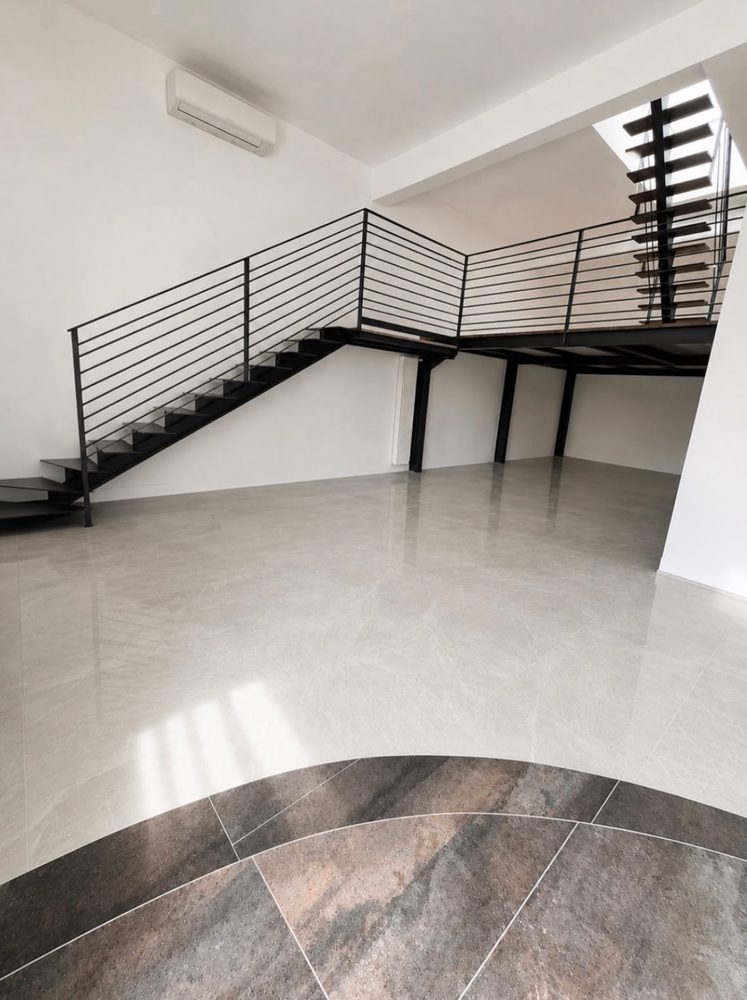
uPVC or aluminium windows? An honest comparison
Insulation, lifespan, maintenance, looks and cost: how to choose the right windows for a home in Turin, with timber-aluminium as a third option.
6 min read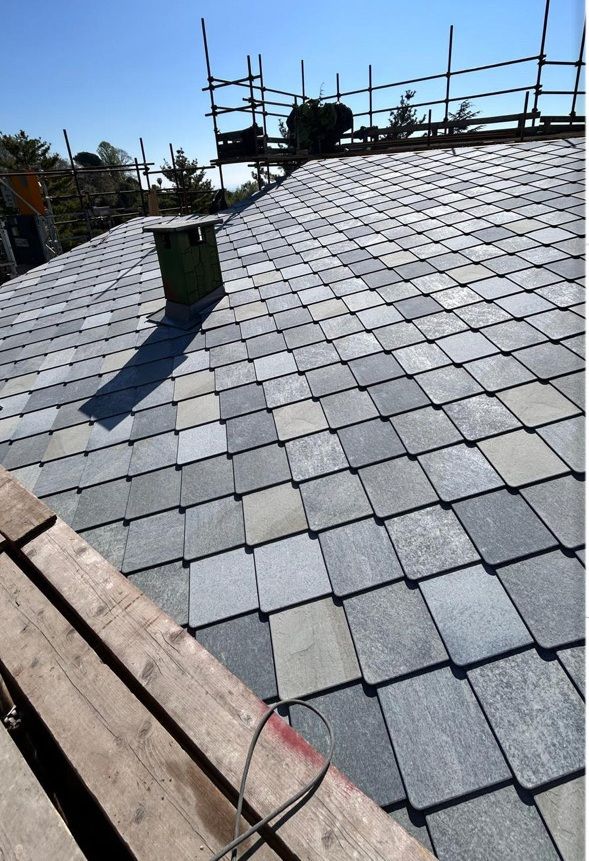 Roofs
Tiles or sheet metal? Which roof to choose
Clay tiles, Ardogres tiles and corrugated sheet metal compared on lifespan, weight, cost, laying and maintenance. Tap a criterion to see which one wins.
4 min read Electrical systems
BTicino and Vimar switch plates: which to choose (and how much the price changes)
Living Now, Living Light, Matix, Axolute, Plana, Arké, Eikon, Idea: the series we install most often, the real differences and the price bands.
7 min read