
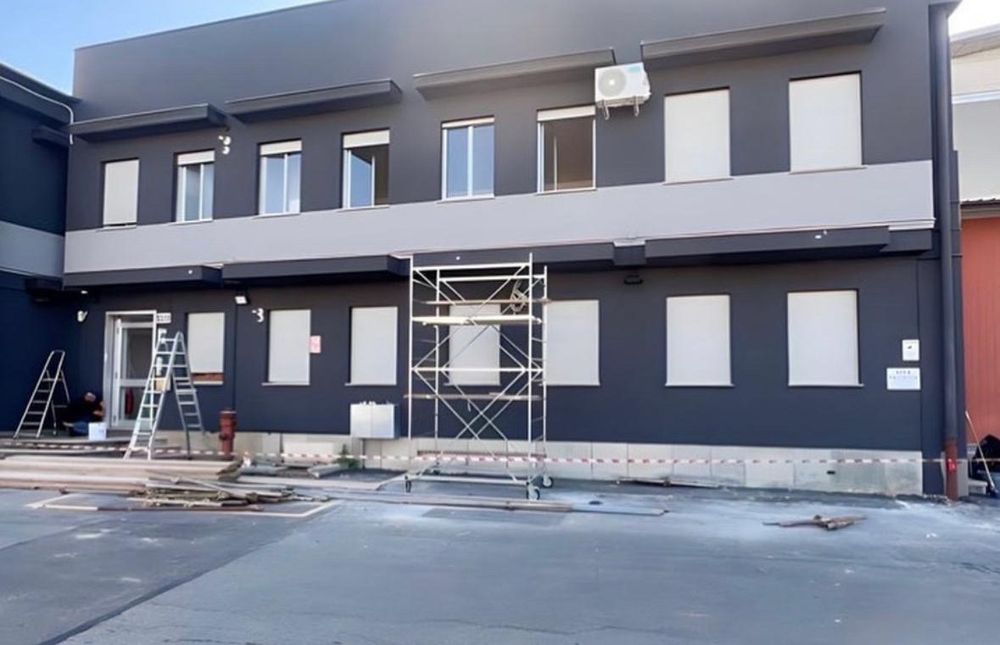
External wall insulation is the layer of insulating boards applied to the outside of the walls and finished with render and a coloured coat. On a house from the 1960s-80s it is the intervention that changes consumption the most: in those houses the walls lose more heat than roof and windows combined.
What happens indoors
- Fewer losses: the heating works less and the temperature is even, without the cold wall next to the window.
- No thermal bridges: corners, columns and beams stop being the spots where mould forms (see our guide on damp and mould).
- Summer: with boards of good mass (rock wool, wood fibre) the heat comes in later and less.
- New façade: the insulation is finished like a renovated façade, with long-lasting siloxane paints.
How much it affects the bills
It depends on how insulated the house was before and how you heat it. On an uninsulated building the reduction in heating consumption is significant and visible from the first winter; if you combine the insulation with new windows and roof insulation, the house changes energy class. In the quote we state the thickness and material your wall needs: there is no "standard" insulation.
The materials
| Board | Strengths | When we use it |
|---|---|---|
| Graphite EPS (polystyrene) | economical, light, good insulation | the most common choice on simple façades |
| Rock wool | non-combustible, sound-absorbing, breathable | apartment blocks, noisy areas, where fire safety matters |
| Wood fibre | natural, excellent in summer | timber houses or anyone wanting natural materials |
| Cork | natural, durable | historic buildings and "green" choices |
The errors that ruin external insulation
- Boards glued "by dabs" without the perimeter bead: air circulates behind and the insulation does not work.
- Wrong or too few anchors, especially high up where the wind blows.
- Reinforcing mesh not overlapped at window corners: after two winters the 45° cracks appear.
- Sills and cappings not replaced: water gets behind the insulation.
- Render too thin and a non-breathable paint.
That is why we install it with our own team, using the manufacturer's certified systems (board, adhesive, mesh, render and finish from the same line): it is the only way to have the system warranty.
Tax deductions
External insulation qualifies for the ecobonus and the renovation bonus: here are the 2026 rules. A technical certification and the ENEA notification are needed, which we prepare with our technicians.
Would you like an opinion on your case?
The site visit is free and the quote is written and itemised.
More guides
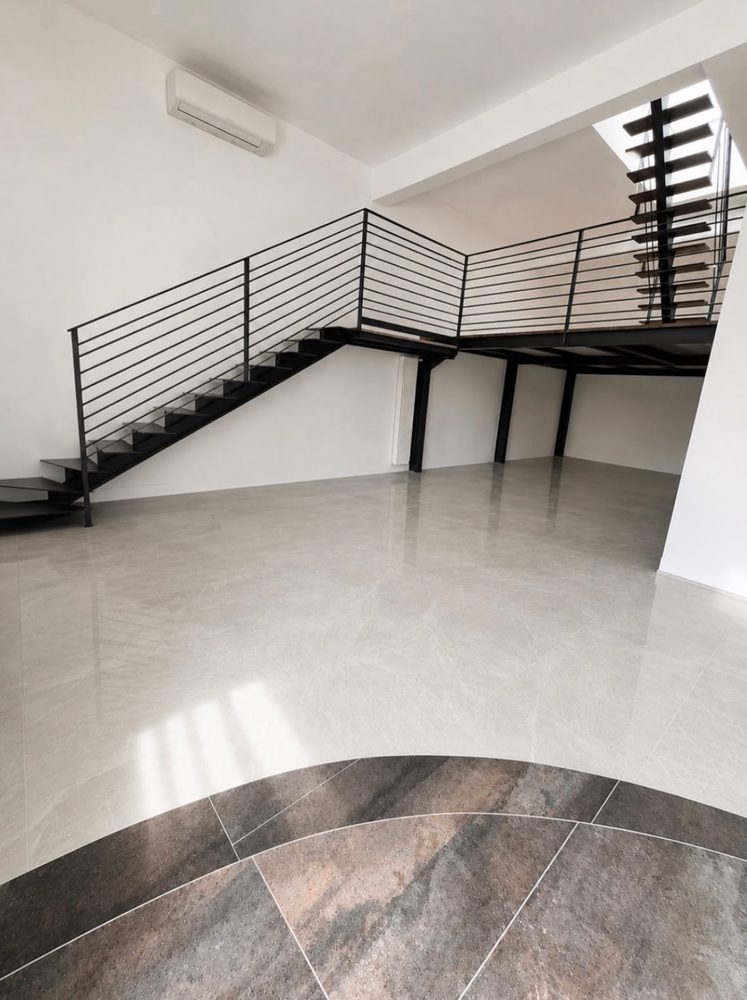 Windows
uPVC or aluminium windows? An honest comparison
Insulation, lifespan, maintenance, looks and cost: how to choose the right windows for a home in Turin, with timber-aluminium as a third option.
6 min read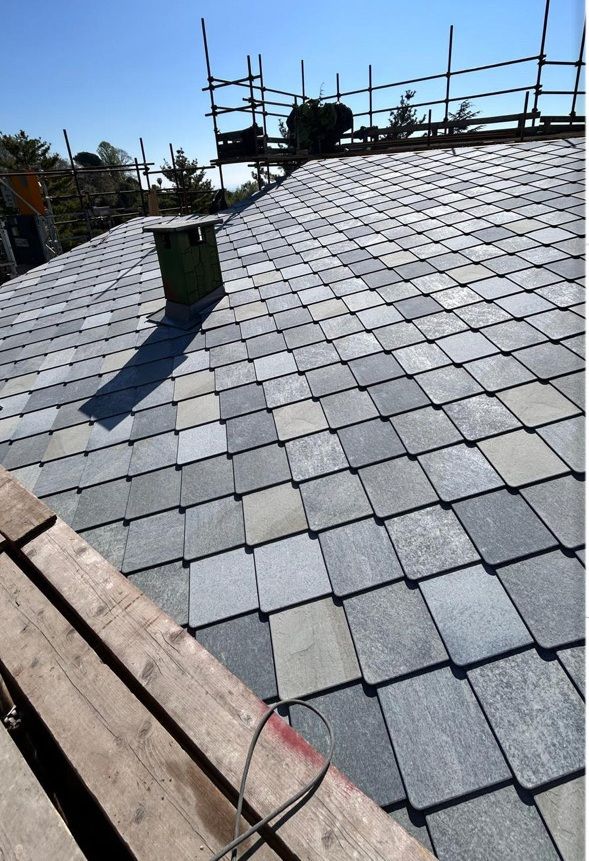 Roofs
Tiles or sheet metal? Which roof to choose
Clay tiles, Ardogres tiles and corrugated sheet metal compared on lifespan, weight, cost, laying and maintenance. Tap a criterion to see which one wins.
4 min read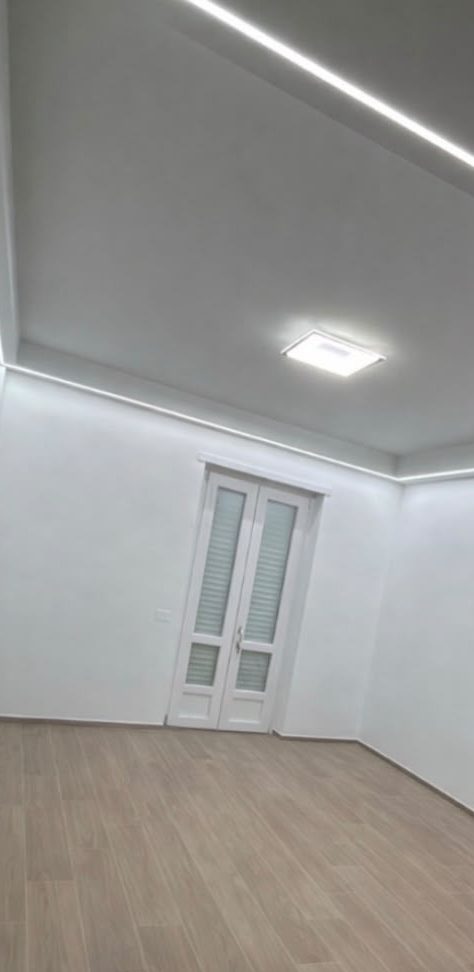 Electrical systems
BTicino and Vimar switch plates: which to choose (and how much the price changes)
Living Now, Living Light, Matix, Axolute, Plana, Arké, Eikon, Idea: the series we install most often, the real differences and the price bands.
7 min read