
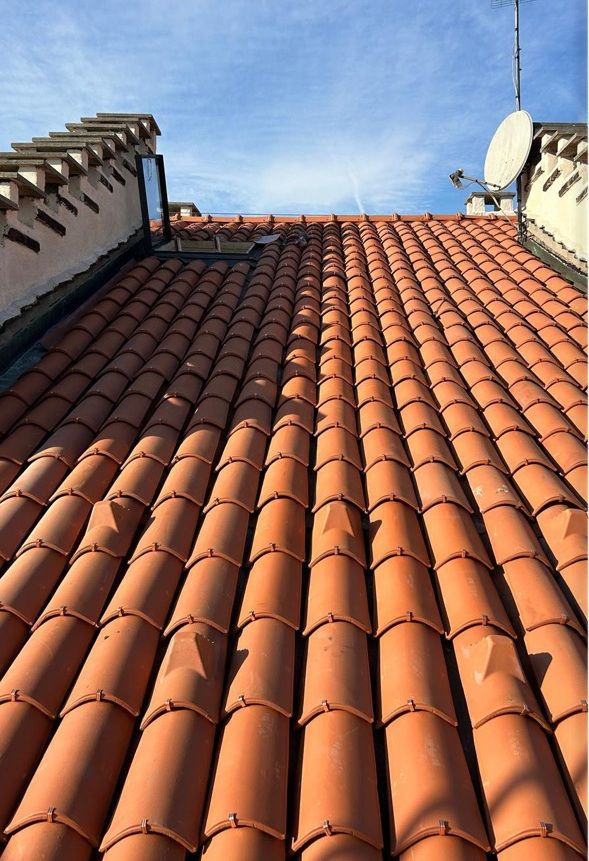
The roof is the only job in a house done "under the open sky": that is why anyone replacing it wants to know one thing above all, how long the house will stay uncovered. The honest answer: hardly at all, if the site is organised slope by slope. Here is how we proceed.
Before we start
- Site visit on the roof, not from the courtyard: we check the framing, gutters, chimneys, skylights and the state of the insulation.
- Paperwork: notice to the municipality where required, notice to the building management, public-land permit if the scaffolding stands on the pavement.
- Materials ordered beforehand: tiles or sheet metal, breathable membrane, insulation, flashings. A roof is not started if anything is missing.
The stages
- Scaffolding and lifeline (1-2 days). The scaffolding has an eaves guardrail, mandatory and useful for you too: the site is closed and safe.
- Stripping the old covering, one slope at a time. If there is asbestos cement, this is where the certified removal comes in, with its own procedure.
- Structure: checking and replacing damaged rafters, new boarding where needed. This is when surprises appear: that is why the quote always has a "contingencies" line.
- Insulation and membrane: insulation boards over the boarding (warm roof) and a breathable membrane, then the battens that create ventilation. A ventilated roof makes a huge difference in attic rooms in summer.
- Covering: clay tiles, Ardogres tiles or sheet metal, with ventilated ridges and flashings around chimneys and skylights. Here is the comparison of roof coverings.
- Flashings and gutters: gutters, downpipes, cappings and valleys. This is the part that decides whether the roof really stays dry.
- Cleaning and dismantling the scaffolding.
How long it takes
For a detached house or a small building we generally talk about a few weeks, scaffolding included; longer for an apartment block. Each slope is opened and closed on the same day or covered with sheets: the house is never left open overnight. The quote states the expected timing and we keep to it, weather permitting: in rain or strong wind nobody works on a roof, for safety.
What you need to do
- Clear delicate items from the attic: dust falls during stripping.
- Move cars from under the scaffolding and warn the neighbours.
- Decide the colour and type of covering beforehand: changing your mind with the roof open costs time.
At the end
We hand you photos of every stage (structure, insulation, membrane: the things that can no longer be seen), the material data sheets and the documents for the tax deductions. And we tell you when to do the first gutter check: in autumn, with the leaves.
Would you like an opinion on your case?
The site visit is free and the quote is written and itemised.
More guides
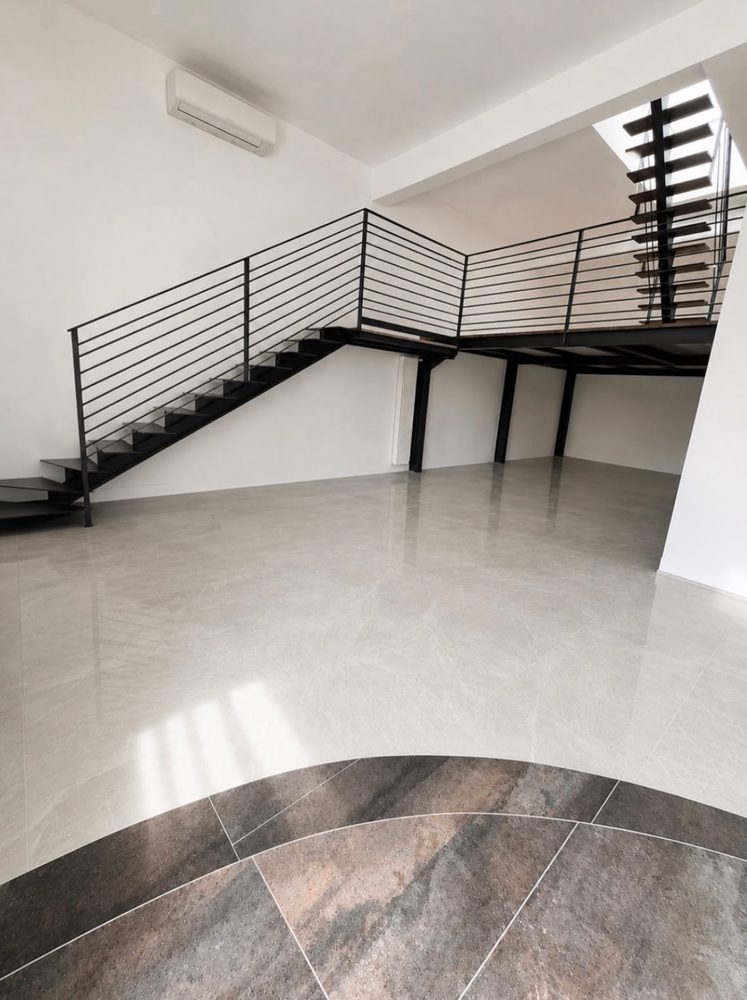 Windows
uPVC or aluminium windows? An honest comparison
Insulation, lifespan, maintenance, looks and cost: how to choose the right windows for a home in Turin, with timber-aluminium as a third option.
6 min read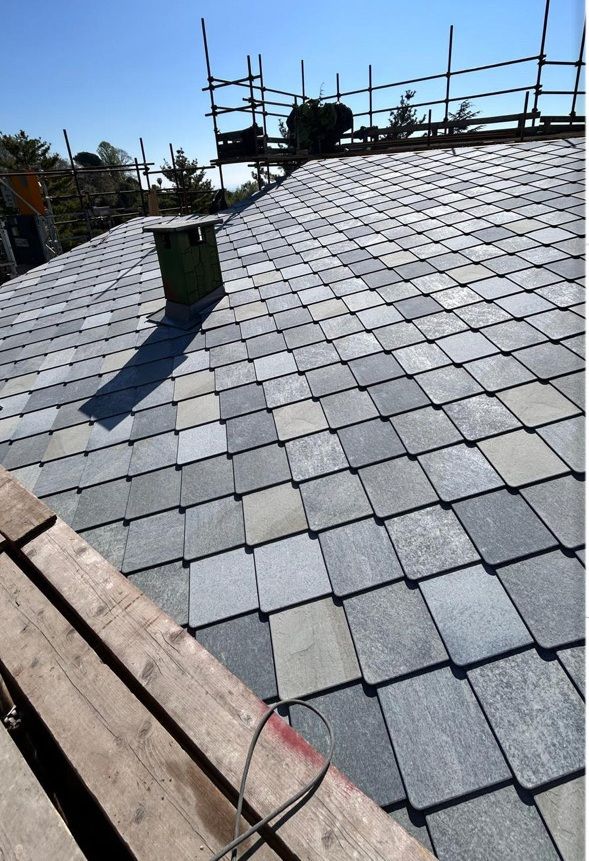 Roofs
Tiles or sheet metal? Which roof to choose
Clay tiles, Ardogres tiles and corrugated sheet metal compared on lifespan, weight, cost, laying and maintenance. Tap a criterion to see which one wins.
4 min read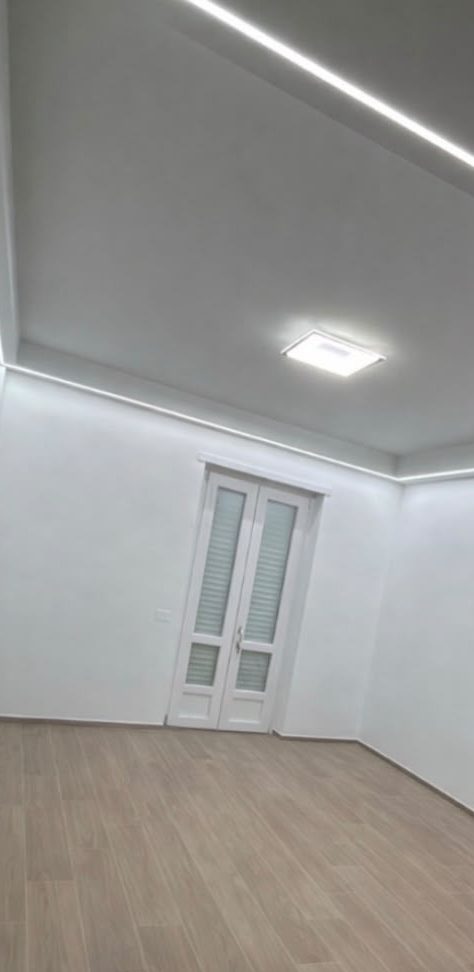 Electrical systems
BTicino and Vimar switch plates: which to choose (and how much the price changes)
Living Now, Living Light, Matix, Axolute, Plana, Arké, Eikon, Idea: the series we install most often, the real differences and the price bands.
7 min read