
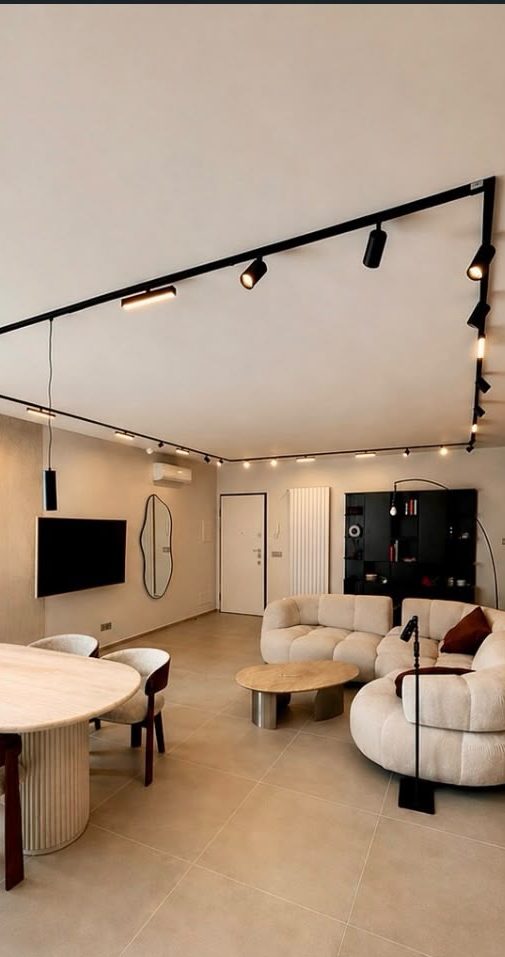
A complete renovation is daunting because it feels like a leap into the unknown. In reality it always follows the same path, in six stages. Knowing them in advance lets you decide calmly and spot straight away when something is off. We tell them through two recent projects: the flat with attic in Caselette and the apartment in Via Bionaz, Turin.
1. Site visit and survey
We come to see the home, take measurements, open a few panels and cupboards: the state of the systems is understood there, not from photos. We listen to how you want to live in the home, not only to what you want to change. Mistake to avoid: asking for a quote "per square metre" over the phone. Two flats of the same size can cost twice as much one as the other.
2. Design and quote
With the surveyor or architect we define the layout, the lighting points, the bathrooms, the materials. The quote is written and itemised: demolition, masonry, electrics, plumbing, floors, windows, painting. So if you change your mind on one item, you immediately know what changes. In Caselette the design joined living room and kitchen and created the study in the attic: all decided before touching a wall.
Mistake to avoid: choosing materials "later". Delivery times of floors, sanitaryware and windows set the site calendar.
3. Building permits
Moving walls, changing the layout or touching the façade requires a notice to the municipality (CILA or SCIA depending on the case) and the building management must be informed. We handle it with our technicians. Mistake to avoid: starting before the paperwork is filed, even for "small" jobs: you lose the tax deduction and risk a fine.
4. Demolition and systems
The noisiest stage, and the one where the home seems to get worse every day: floors, partitions and old systems come out. Then the new electrical and plumbing lines are traced, pipes laid, screeds poured. In Via Bionaz we completely redid the systems with new lines for air conditioning and LED track lighting. Mistake to avoid: saving on the systems to spend more on finishes. Systems stay in the walls for thirty years; a floor can be changed.
5. Finishes
Plasterboard and ceilings, floors and tiles, windows, doors, painting, then sanitaryware and kitchen. This is the rewarding stage, and the one where precision makes the difference: the tile joint that lines up, the straight ceiling edge, the door that closes silently. In Caselette the staircase and attic were finished at this stage, with the track lights you see in the photos today.
6. Testing and handover
We test everything: electrics, hot water, drains, climate. We hand you the certificates of conformity for the systems, the manuals and the "hidden" photos (where pipes and cables run, useful forever). Then the final clean and the keys. Mistake to avoid: paying the last instalment before testing. The balance is paid when the home is finished and tested.
How long it takes
A fully renovated 80-100 m² flat generally needs a few months on site, plus the time for permits and material deliveries. The quote always states the expected timing and we keep to it. One contact, our own team: you do not coordinate bricklayer, electrician and plumber, we do.
"They kept to the schedule and proved honest, professional and quick in carrying out the work." — a client, on Google
Would you like an opinion on your case?
The site visit is free and the quote is written and itemised.
More guides
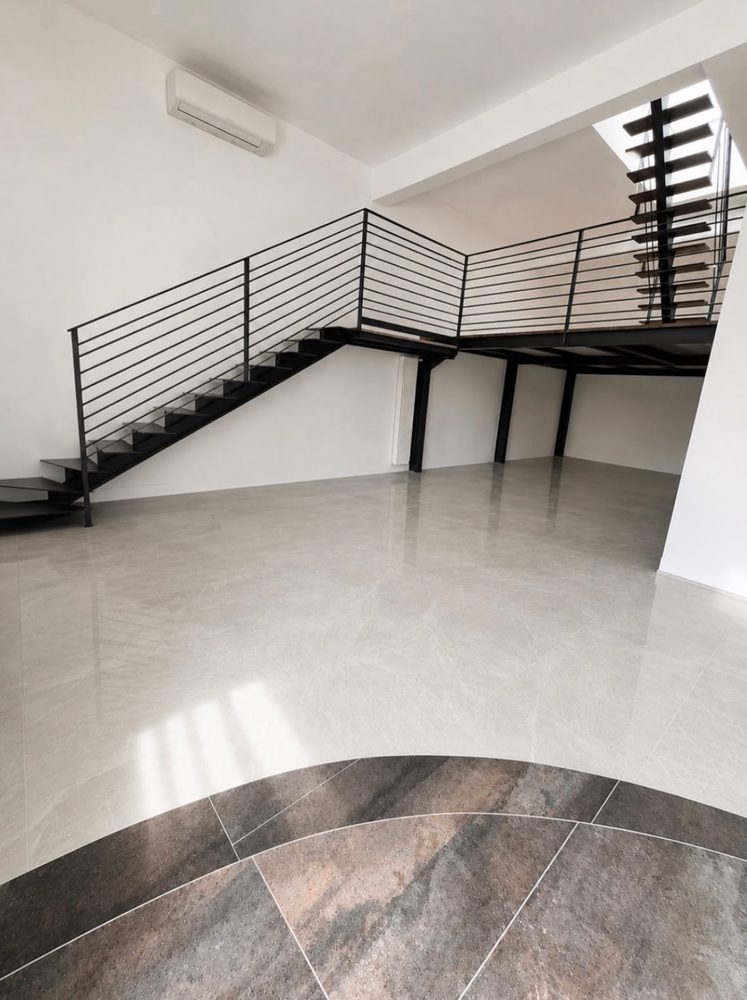 Windows
uPVC or aluminium windows? An honest comparison
Insulation, lifespan, maintenance, looks and cost: how to choose the right windows for a home in Turin, with timber-aluminium as a third option.
6 min read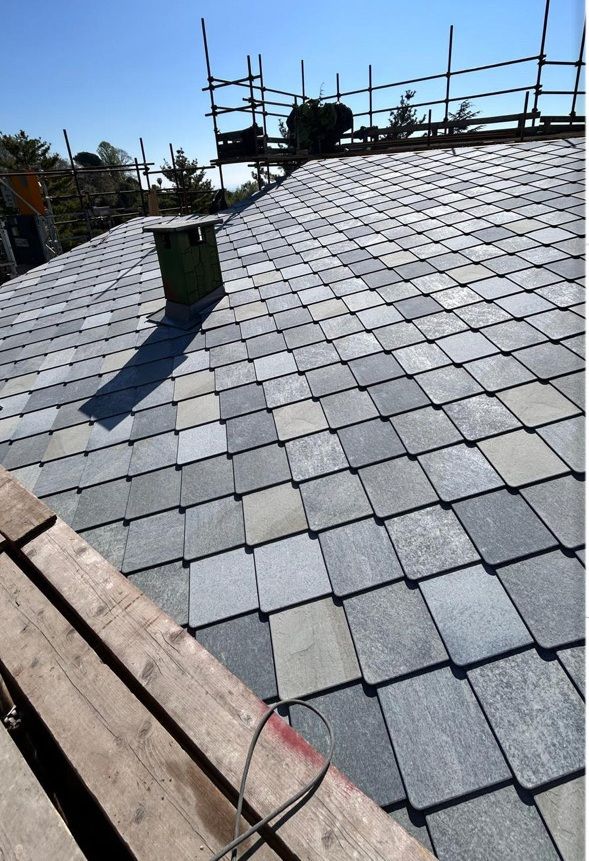 Roofs
Tiles or sheet metal? Which roof to choose
Clay tiles, Ardogres tiles and corrugated sheet metal compared on lifespan, weight, cost, laying and maintenance. Tap a criterion to see which one wins.
4 min read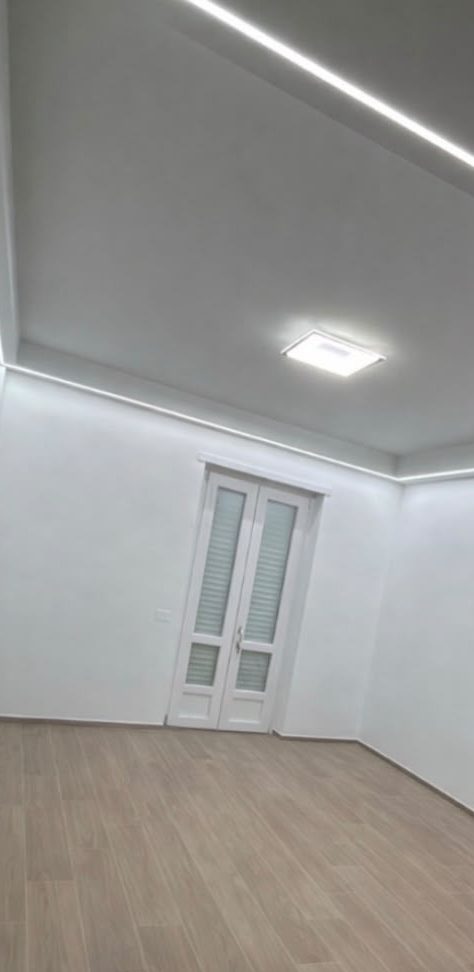 Electrical systems
BTicino and Vimar switch plates: which to choose (and how much the price changes)
Living Now, Living Light, Matix, Axolute, Plana, Arké, Eikon, Idea: the series we install most often, the real differences and the price bands.
7 min read